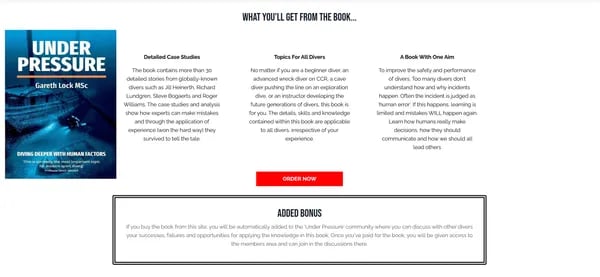



The first time I nearly blew a stop underwater had nothing to do with faulty gear or dive tables—my buddy and I just misunderstood each other's awkward hand signals. Most divers have a story like this: a moment where it wasn't equipment, but people that determined if things went sideways. Gareth Lock’s 'Under Pressure' refuses to ignore those moments, shining a floodlight on the invisible forces—habits, decisions, and the human side of safety—that shape every immersion. Buckle up, because we’re diving into the messy, meaningful side of underwater risk.
From Blame Games to Just Culture: Changing the Diving Safety Conversation
Traditional approaches to diving safety culture have often relied on the blame game model. When something goes wrong, the immediate response is to search for the individual at fault, focusing on “who made the mistake” rather than “why did the mistake happen.” Gareth Lock’s Under Pressure: Diving Deeper with Human Factors challenges this mindset, arguing that accidents in diving rarely result from a single bad choice. Instead, they are usually the product of cumulative habits, systemic issues, and complacency—what Lock calls the Human Factor.
Drawing on lessons from high-reliability industries like aviation and healthcare, Lock introduces the concept of Just Culture diving. This principle, borrowed from sectors where safety is critical, shifts the focus from blaming individuals to understanding the broader system. As Lock notes, “
Safety is not the absence of accidents and incidents. It is the presence of barriers and defences, and the ability of the system to fail safely.
” In other words, true safety is about building strong safety barriers defences and ensuring the system can handle errors without catastrophic outcomes.
The book references foundational research from the 1970s and 1980s, which found that 80% of aviation accidents were attributed to “human error.” However, as Lock and other experts point out, this explanation is overly simplistic. Since the 1990s, both aviation and diving have recognized that labeling incidents as “human error” does little to prevent future accidents. Instead, the focus must shift to understanding the conditions and systems that allow errors to occur.
Lock’s Just Culture approach transforms the diving safety conversation. Rather than finger-pointing, it encourages shared responsibility and open discussion. In Under Pressure, real-world case studies—featuring renowned divers like Jill Heinerth and Richard Lundgren—highlight how even the most experienced professionals can make mistakes. These stories of near-misses and errors are not used to shame, but to foster honest conversations about risk, decision-making, and improvement.
By promoting psychological safety and transparent reporting, Just Culture diving empowers divers to speak up about mistakes and near-misses without fear of blame. This open environment is essential for learning and for building resilient safety systems. As Lock emphasizes, accident prevention is not just about stopping bad events, but about ensuring the presence of effective barriers and defenses that allow the system to recover and adapt.
Blame game model: Focuses on individual fault, discouraging open discussion.
Just Culture: Promotes shared responsibility, system analysis, and learning from mistakes.
Safety barriers defences: Essential for system resilience and accident prevention.
Through this shift, Under Pressure sets a new standard for diving safety culture, encouraging divers, instructors, and leaders to move beyond blame and toward a culture of collective learning and continuous improvement.
Diving Identities and Real-Life Incidents: Learning from Those Who Got Wet
One of the most powerful features of Under Pressure: Diving Deeper with Human Factors is its use of real-life incidents and case studies contributed by respected diving identities from across the global diving community. This approach moves beyond theory, offering readers practical lessons drawn from the actual experiences of both legendary and emerging divers. By sharing over 30 detailed case studies, Gareth Lock’s book demonstrates that diving incidents are not limited to beginners or the careless—mistakes can, and do, happen to even the most experienced professionals.
Case Studies: Mistakes Made by the Best
The book features contributions from well-known names such as Jill Heinerth, Richard Lundgren, Steve Bogaerts, Roger Williams, and others. Each story is presented with rich context, showing how seemingly normal decisions can lead to unexpected outcomes underwater. These case studies highlight the principle of local rationality: divers make choices that make sense to them in the moment, based on the information and pressures they face. As Gareth Lock notes:
Divers don't get up in the morning and decide to make a monumental mistake. Whatever they have done makes sense, and we need to understand that local rationality. – Gareth Lock
Learning from the Diving Community
By including a diverse range of diving identities—seasoned explorers, technical instructors, and newer voices—the book ensures that the lessons are relatable and relevant to all. These real-life incidents are not just cautionary tales; they are opportunities for the entire diving community to learn, reflect, and grow. Instead of focusing on blame, the book encourages a systems-thinking approach, asking readers to examine how habits, communication, teamwork, and environmental factors contribute to outcomes.
Jill Heinerth shares insights from her cave diving expeditions, revealing how even small lapses in situational awareness can escalate in complex environments.
Richard Lundgren and Steve Bogaerts recount technical dives where assumptions and routine led to near-misses, emphasizing the importance of continual self-assessment.
Other contributors, including Michael Menduno (M2), Mark Powell, and Richie Kohler, provide perspectives on leadership, communication, and the subtle pressures that shape decision-making underwater.
Reflection and Growth: Moving Beyond Blame
Each case study is designed to invite honest self-reflection. Readers are encouraged not just to analyze others’ mistakes, but to confront their own vulnerabilities and biases. This method supports the core philosophy that accident decisions are locally rational, and that understanding the context is key to genuine improvement. By learning from those who “got wet,” divers at every level can adopt safer habits, improve teamwork, and foster a culture of open learning and psychological safety.
Through these real-life incidents, Under Pressure redefines how the diving community approaches safety—transforming mistakes into valuable lessons and making the human side of diving as important as technical skill.
Systems, Stories, and the Human Factor Skillset: More Than Just Manuals
Diving safety is often taught through checklists, equipment manuals, and technical drills. But as Gareth Lock’s Under Pressure: Diving Deeper with Human Factors reveals, the real foundation of safe diving lies in the human factor skillset—those non-technical skills that shape every decision, interaction, and outcome underwater. Drawing from the pioneering Human Factors Skills in Diving program and frameworks like the GUE method, Lock challenges divers to look beyond procedures and embrace a systems thinking approach.
Non-Technical Skills: The Heart of Safe Diving
Lock’s research and case studies show that communication, teamwork, and leadership are not optional extras—they are essential for safety and performance. In high-stress, complex environments, it’s not just what divers know, but how they interact, share information, and make decisions together that matters. As Phil Short famously puts it:
It’s not the gear or the tables that get you in trouble—it’s the conversations you never had and the signals you missed.
This insight is echoed throughout the book, where real-world stories highlight how even experienced divers can fall victim to missed cues, unclear roles, or unspoken concerns.
Systems Thinking: Seeing the Whole Picture
Lock introduces systems thinking to diver training programs, urging divers to see people, equipment, and environments as interconnected. Mistakes rarely stem from a single cause. Instead, they emerge from the interaction of human strengths and weaknesses within a larger system. This holistic view, borrowed from aviation and healthcare, shifts the focus from blaming individuals to understanding and improving the conditions that shape human performance.
Practical Tools for Situational Awareness
One of the most actionable frameworks Lock shares is “What? So What? Now What?” This simple exercise helps divers build situational awareness by:
What? – Observing and stating the facts.
So What? – Interpreting what those facts mean for the dive.
Now What? – Deciding on the next steps as a team.
By practicing this method, divers can respond more effectively to unexpected challenges, reducing the risk of error.
Teamwork vs. Taskwork: Safety as a Group Project
Lock makes a clear distinction between teamwork and simply “doing tasks.” True safety is a collective effort, built on trust, open communication, and mutual accountability. Leadership, in this context, is not about rank but about guiding the group toward shared goals and safe outcomes. Effective teams foster psychological safety, where every member feels empowered to speak up and contribute.
Performance-shaping factors like stress, fatigue, and cognitive overload are also addressed, reminding divers that even the best technical skills can be undermined by human limitations. By integrating these human factors skills into diver training programs, Lock’s approach redefines what it means to be a safe, effective diver.
Risk Management: More Than Checklists and Caution Signs
Traditional approaches to risk management in diving often rely on checklists, caution signs, and strict adherence to procedures. However, Gareth Lock’s Under Pressure: Diving Deeper with Human Factors challenges this “tick-the-box” mentality, urging divers to embrace a more dynamic, context-driven model of safety. Lock’s work, grounded in evidence from high-reliability industries like aviation and nuclear power, shows that effective risk management is not about eliminating risk, but about understanding, communicating, and adapting to it in real time.
A key insight from Lock’s research is that accidents “rarely just happen.” Instead, they result from a web of small decisions, habits, and overlooked warning signs—what he calls the “Human Factor.” By analyzing over 30 real-world case studies involving renowned divers and experts, Lock demonstrates that even the most experienced individuals are vulnerable to mistakes, especially when risk management becomes a routine checklist rather than an active, reflective process.
Moving Beyond Blame: Building Psychological Safety
Lock argues that stigmatizing mistakes actually increases risk. When divers fear blame or punishment, they are less likely to report near-misses or errors, hiding problems that could compromise group safety. Instead, Lock advocates for a culture of psychological safety—where open discussion of mistakes is encouraged, not penalized. This approach, known as Just Culture, is borrowed from aviation and healthcare, and is proven to foster transparency, learning, and ultimately, safer outcomes.
If you want innovation, allow your people to fail safely and learn from it. – Steve Lewis
Recognizing Performance Shaping Factors
Lock’s model of risk management effective practice includes recognizing “performance shaping factors” such as fatigue, stress, overconfidence, and environmental pressures. These factors can erode even the strongest technical skills, leading to poor decision-making and increased risk. By integrating accident analysis and psychological research, Lock encourages divers to assess not just the physical environment, but also the mental and emotional state of themselves and their team.
Fatigue: Can slow reaction times and cloud judgment.
Stress: May lead to tunnel vision or missed cues.
Overconfidence: Can cause divers to ignore protocols or warning signs.
Continual Learning: Beyond Certification
Lock’s approach to risk management in diving safety is rooted in continual learning, not one-off certification. He encourages divers to regularly reflect on their experiences using frameworks like “20:20 hindsight”—not as a tool for punishment, but for honest self-assessment and improvement. This mindset shift transforms mistakes from sources of shame into valuable diving education resources, driving both personal growth and community safety.
By redefining risk management as a proactive, collective responsibility—one that values psychological safety, open reporting, and learning from failure—Lock sets a new standard for effective diving safety. His work empowers divers at all levels to move beneath the surface of checklists and caution signs, fostering a culture where everyone can contribute to safer, more enjoyable dives.
Wild Card: What If Divers Debriefed Like Pilots (Or Argued Like Siblings)?
Imagine if every dive ended not just with a handshake and a logbook entry, but with a structured, honest debrief—just like airline pilots do after every flight. In Under Pressure: Diving Deeper with Human Factors, Gareth Lock challenges the diving community to rethink how learning and improvement happen beneath the surface. Drawing inspiration from aviation, healthcare, and even the dynamics of sibling rivalry, Lock argues that the real goldmine for diving education and safety lies in how teams talk about what went right, what went wrong, and why.
Aviation’s post-flight debriefs are legendary for their rigor and openness. Pilots of all ranks are expected to speak up, share observations, and dissect decisions—no matter who was in command. Lock’s research shows that this approach, when adapted to diving, can transform mistakes into powerful learning opportunities. Instead of brushing off errors or blaming “human error,” divers are encouraged to analyze the decision making process, question assumptions, and learn from the full context of each dive. As Chantelle Taylor-Newman puts it,
Open learning and honest debriefs: that’s where real improvement happens.
But what if, instead of polite silence, dive teams debated their choices as openly as siblings argue over the last slice of pizza? While conflict is often seen as risky, Lock highlights that trust and psychological safety—the sense that it’s safe to speak up—are the secret ingredients for resilient teams underwater. When divers feel free to challenge decisions or admit uncertainty, the whole team benefits. This open dialogue is far more effective than the traditional “leader knows best” routine, which can stifle feedback and hide small problems until they become big ones.
Lock’s book emphasizes that reducing authority gradients—where one person’s opinion outweighs all others—leads to better teamwork communication and safer outcomes. Practical tools like structured briefings, debriefs, and targeted questions make it easier for everyone to contribute, regardless of experience or role. These methods, adapted from high-reliability industries, are proven to improve clarity, build trust, and turn every dive into a learning experience.
Ultimately, Under Pressure urges divers, instructors, and leaders to move beyond heroic solo efforts and embrace a culture where every voice matters. By adopting debriefs modeled after pilots—or even the honest debates of siblings—dive teams can unlock deeper insights, strengthen their decision making process, and build the psychological safety needed for true learning and high performance. This thought provoking educational approach is not just about preventing accidents; it’s about redefining what diving leadership and teamwork communication look like for the next generation of divers.
In conclusion, the future of diving safety and education lies in open learning, honest reflection, and the courage to talk about what really happens beneath the surface. As Lock and his contributors show, the path to safer, more enjoyable diving starts with a simple question: “What can we learn together?”