

Imagine landing a tech job without sending a single cover letter, or recruiters finding perfect candidates with the click of a button. Welcome to the rapidly evolving world of startup hiring in 2026. Having chatted with a friend who recently switched jobs via a startup platform, it’s clear this landscape is shifting faster than ever. This post unpacks the surprising trends reshaping how startups recruit, the role of AI, and what the future of work might look like.
No Cover Letters Needed: The Rise of Skills-Based Hiring
The job market is shifting fast, and nowhere is this more obvious than in startup hiring trends for 2026. The days of lengthy cover letters and endless application forms are fading. Instead, job seekers now apply with detailed online profiles that showcase their skills, hands-on experience, and real-world projects. This new approach—known as skills-based hiring—is changing how both startups and candidates connect.
Profiles Over Paperwork
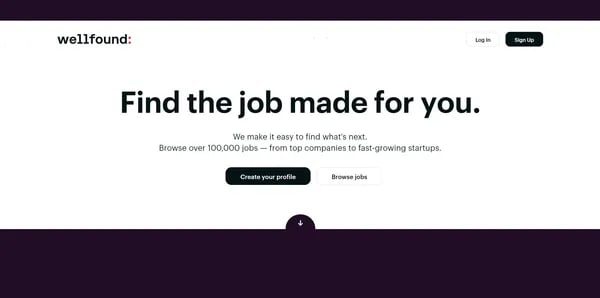
For job seekers, the process is simpler and more transparent. Platforms like Wellfound let candidates connect directly with founders and hiring teams—no third-party recruiters or gatekeepers. Everything a candidate needs to know, from salary to stock options, is visible upfront. The application process is as easy as a single click, with no need for a cover letter. Your profile, filled with details about your skills, internships, and hands-on projects, does the talking.
Skills and Experience Trump GPA
Employers are increasingly prioritizing what candidates can actually do over where they went to school or their GPA. In fact, 70% of startups now use skills-based hiring to find the right-fit candidates. This means internships, coding bootcamps, and freelance projects often matter more than formal education. As one junior engineer put it,
"When you're a junior engineer looking for your first job, a skills-focused approach is a game changer." – Mohr, University of Oregon
Entry-Level Roles: Hybrid and In-Person
According to recent data, entry-level roles are predominantly hybrid (50%) or in-person (43%), with only 6% being fully remote. This trend reflects the need for new hires to learn on the job, collaborate closely with teams, and build foundational skills in a supportive environment. Skills-based hiring helps startups identify candidates who are ready to contribute from day one, regardless of their educational background.
Better Matching, More Diversity
Skills-based hiring is also improving candidate matching and increasing diversity. By focusing on practical ability and real-world results, startups can tap into a wider pool of talent—including those from non-traditional backgrounds. This approach supports both entry-level and specialist roles, which are in high demand across the tech sector.
Job seekers: Apply with detailed profiles, not cover letters.
Employers: Prioritize skills, internships, and hands-on experience over GPA.
Startups: 70% embrace skills-based hiring for better candidate fit.
Results: Smoother hiring, especially for junior engineers entering tech.
For startups, this shift is a competitive advantage. With limited budgets and a need for agility, they can quickly identify and hire candidates who have the skills to drive growth—without the friction of outdated hiring practices.
AI Recruiting: The Double-Edged Sword in Tech Hiring
AI recruiting is rapidly reshaping how startups and tech companies find talent, but its impact is far from one-sided. As AI-driven platforms like Wellfound’s RecruiterCloud scan over 500 million candidates and pre-schedule interviews in days, the hiring process is faster and more efficient than ever. Startups can now tap into a pool of 10 million+ engaged, startup-ready candidates, slashing recruiting costs and time-to-hire. But as AI recruiting tools become the norm, they’re also fueling new tensions in the tech industry—especially around tech layoffs and the broader impact of AI on the workforce.
AI Recruiting: Productivity Boost or Job Disruptor?
The promise of AI recruiting lies in its ability to automate the heavy lifting. Recruiters can set up job posts, manage branding, and integrate with applicant tracking systems (ATS) in minutes. AI tools filter candidates based on unique calibrations, surfacing top matches and even scheduling interviews directly onto hiring managers’ calendars. This means less time screening resumes and more time engaging with the right talent.
However, this leap in productivity comes with a cost. In 2025 alone, AI-driven automation contributed to approximately 55,000 tech layoffs in the US. As AI replaces many traditional recruiting and HR functions, it’s not just administrative roles at risk—entire layers of the hiring process are being reimagined, sometimes at the expense of human jobs. As noted by the Harvard Business Review in 2026:
“AI-recruiting advancements can both empower and disrupt the tech workforce.”
Startups Leverage AI to Stay Lean
For startups, the benefits are clear. AI recruiting platforms allow founders and small teams to compete for top talent without the overhead of third-party recruiters or expensive agencies. Everything from salary data and stock options to job descriptions is transparent and upfront, making it easier for job seekers to connect directly with founders. With one-click applications and profile-based matching, the process is streamlined for both sides.
AI-recruiters scan millions of candidates and pre-schedule interviews.
Startups leverage AI tools to cut recruiting costs drastically.
Tech layoffs linked to AI replacing human roles highlight industry tension.
AI investment success remains limited, with only 1 in 50 delivering transformational value.
Investor Caution: The Reality Behind the Hype
Despite the buzz, AI’s impact on hiring isn’t always transformative. According to Gartner, only 2% of AI investments in recruiting deliver truly transformational outcomes. Many startups and investors are now approaching AI recruiting with a mix of optimism and caution, aware that while the technology can drive efficiency, it doesn’t always guarantee better business results.
As AI recruiting continues to evolve, it’s clear that the technology is both a powerful enabler and a potential disruptor in tech hiring. The challenge for startups and job seekers alike is to harness the benefits while navigating the risks and realities of this new era.
Hybrid Work & Remote Culture: What 2026 Entry-Level Jobs Demand
The future of work is here, and for entry-level roles in 2026, the landscape is more flexible—and more nuanced—than ever. Startups and tech companies are redefining the work environment, blending hybrid and remote work options to attract the next generation of talent. Let’s break down what’s trending and what job seekers can expect as they launch their careers.
Hybrid Roles Dominate Entry-Level Opportunities
According to recent data, 50% of entry-level roles in 2026 are hybrid, combining in-person collaboration with the freedom of remote work. This hybrid model is now the standard for most startups, especially in fast-moving sectors like tech, space, and crypto. While 43% of entry-level jobs remain fully in-person, only 6% are exclusively remote—a clear sign that, for junior talent, face-to-face interaction and team integration still matter.
Remote Work: Still Significant, But Less Dominant for Juniors
Remote work continues to reshape company culture and hiring strategies, but its adoption varies by role and seniority. For entry-level positions, startups are balancing flexibility with the need for mentorship and hands-on learning. As Naval Ravikant puts it:
Remote work isn’t just a perk—it’s becoming a defining factor of company culture.
However, many companies believe that early-career employees benefit from in-person guidance and team-building, which explains the strong presence of hybrid and in-person roles at the junior level.
Flexibility Meets Team Culture
Today’s job seekers highly value work flexibility, but they’re also looking for environments where they can grow and connect. Startups are responding by offering:
Transparent job listings—including salary, equity, and benefits—before you even apply.
One-click applications and profile-based hiring, eliminating traditional cover letters.
Remote-friendly roles in innovative sectors like space tech, crypto, and AI.
Women-led startups are especially notable for expanding remote teams, reshaping leadership diversity and opening doors for candidates from all backgrounds. In fact, these companies are leading the way in building inclusive, flexible work environments that prioritize both results and well-being.
Remote & Hybrid Work Influence Job Search and Recruitment
The rise of hybrid and remote work is changing how candidates and recruiters connect. Platforms like Wellfound make it easy for job seekers to:
Connect directly with founders and hiring managers—no third-party recruiters.
Research salary ranges and company culture upfront.
Get matched to unique startup jobs not found elsewhere.
For recruiters, tapping into a remote-ready talent pool and leveraging AI-powered tools streamlines the process, ensuring the right fit for both company and candidate.
As the future of work evolves, entry-level roles in 2026 will continue to reflect a balance between flexibility, mentorship, and team culture—setting the stage for a new era of startup success.
Startups & Talent Acquisition: Navigating M&A and Hiring Challenges
The startup landscape is rapidly evolving, and nowhere is this more evident than in the world of talent acquisition. As we approach 2026, a sharp rise in M&A activity is expected, with larger firms acquiring startups primarily to secure top tech talent. This trend is reshaping how startups approach hiring, compensation, and growth strategies.
M&A Activity: Acquiring Talent, Not Just Companies
In today’s market, acquiring a startup often means acquiring its people. Larger companies are increasingly using M&A as a shortcut to access highly skilled teams, especially in fields like AI, cybersecurity, and product engineering. According to recent trends, “Investors are drawn to startups with smart cash flow and standout talent acquisition strategies.” (Dover Blog 2026)
This surge in M&A activity puts pressure on startups to build teams that are not only innovative but also attractive to potential acquirers. Startups with a strong roster of specialist roles—think machine learning engineers, security experts, and data scientists—are commanding higher valuations and more interest from buyers.
Specialist Roles: High Demand, Higher Salaries
The competition for specialist talent is fierce. Salaries for these roles have soared, with ranges between $145k and $280k now common for top-tier engineers and technical leads. Startups are offering not just competitive pay, but also equity, flexible work arrangements, and unique benefits to attract and retain these in-demand professionals.
Machine learning engineers and security specialists are among the most sought-after roles.
Women-led startups and remote-first teams are gaining traction, expanding the talent pool globally.
Gig worker platforms and hybrid autonomy models are redefining how startups build teams.
Investor Focus: Cash Flow and Burn Rate Under the Microscope
With investor attention on controlled cash outflow, startups are under pressure to manage their burn rate. Boards want to see efficient hiring strategies that balance growth with sustainability. This means fewer “growth at all cost” approaches and more focus on building lean, high-impact teams.
Startups that can demonstrate smart spending on talent acquisition—leveraging data, salary benchmarks, and transparent compensation—are better positioned for funding and successful exits.
Employment Startups: AI-Powered Recruiting Innovation
The future of work is being shaped by employment startups like Rippling, which recently raised $2.4B to transform hiring technology. Platforms now offer AI-powered tools that scan millions of candidates, automate scheduling, and integrate seamlessly with existing HR systems. These innovations allow startups to tap into a global pool of 10M+ engaged, startup-ready candidates in minutes.
AI recruiters filter and schedule top candidates, reducing time-to-hire.
Applicant tracking systems and branding tools are now free and easy to set up.
Job seekers benefit from transparent salary data and one-click applications—no cover letters required.
As M&A activity and demand for specialist roles intensify, startups and employment platforms are rewriting the rules of talent acquisition for 2026 and beyond.
Wild Cards: How Gig Work & Transparent Pay Could Reboot Hiring
As we look toward 2026, two wild cards are reshaping startup hiring trends and the future of work: the rise of gig work platforms and the mainstreaming of transparent pay. These trends aren’t just buzzwords—they’re fundamentally changing how startups and job seekers connect, negotiate, and build teams.
Gig work, once seen as a side hustle, is now a legitimate and strategic part of the tech startup ecosystem. Platforms that connect talent directly with founders—without third-party recruiters—are making it easier than ever for candidates to find unique opportunities. The flexibility of gig work appeals to both startups, who can scale teams quickly, and to professionals, who can choose projects that match their skills and interests. As gig work platforms become more integrated into the future of work, startups are rethinking traditional employment models, opting for on-demand expertise over rigid, full-time roles.
At the same time, transparent pay is emerging as a game-changer for candidate-employer relationships. Startups are increasingly sharing salary, stock options, and benefits upfront, empowering job seekers to negotiate with confidence and fairness. According to Wellfound Insights 2025, “Transparent pay and gig platforms are the X-factors that could make 2026 the best year for job seekers yet.” With access to real-time pay data by job title, industry, and company size, candidates are better prepared for salary negotiations and less likely to experience the anxiety that comes with hidden compensation details.
The application process itself is also evolving. Instead of lengthy cover letters, candidates can now create a single profile and apply to multiple roles with just one click. Platforms highlight standout profiles to top recruiters, increasing the chances of spontaneous, serendipitous opportunities. This frictionless approach benefits both sides: job seekers spend less time on paperwork, and recruiters discover qualified talent faster.
Perhaps most transformative is the collaboration between AI and human recruiters. Tools like Wellfound’s AI-Recruiter scan millions of candidates, filter them based on unique criteria, and even schedule interviews—all while working alongside expert human recruiters. This blend of technology and personal touch ensures that hiring remains efficient without losing the human element that’s so crucial in startup culture.
In conclusion, gig work and transparent pay are more than just trends—they’re wild cards that could reboot hiring as we know it. The growing acceptance of gig work within tech startups, combined with the anxiety-reducing power of salary transparency, is creating a more open, flexible, and empowering job market. As AI and human recruiters join forces and platforms streamline the application process, the future of work in 2026 looks set to deliver on its promise: more opportunity, more fairness, and more innovation for everyone involved.